The Third Pole, primarily encompassing the Himalayan region and surrounding high mountain areas, is crucial for global water resources and biodiversity, but it faces significant threats from climate change.
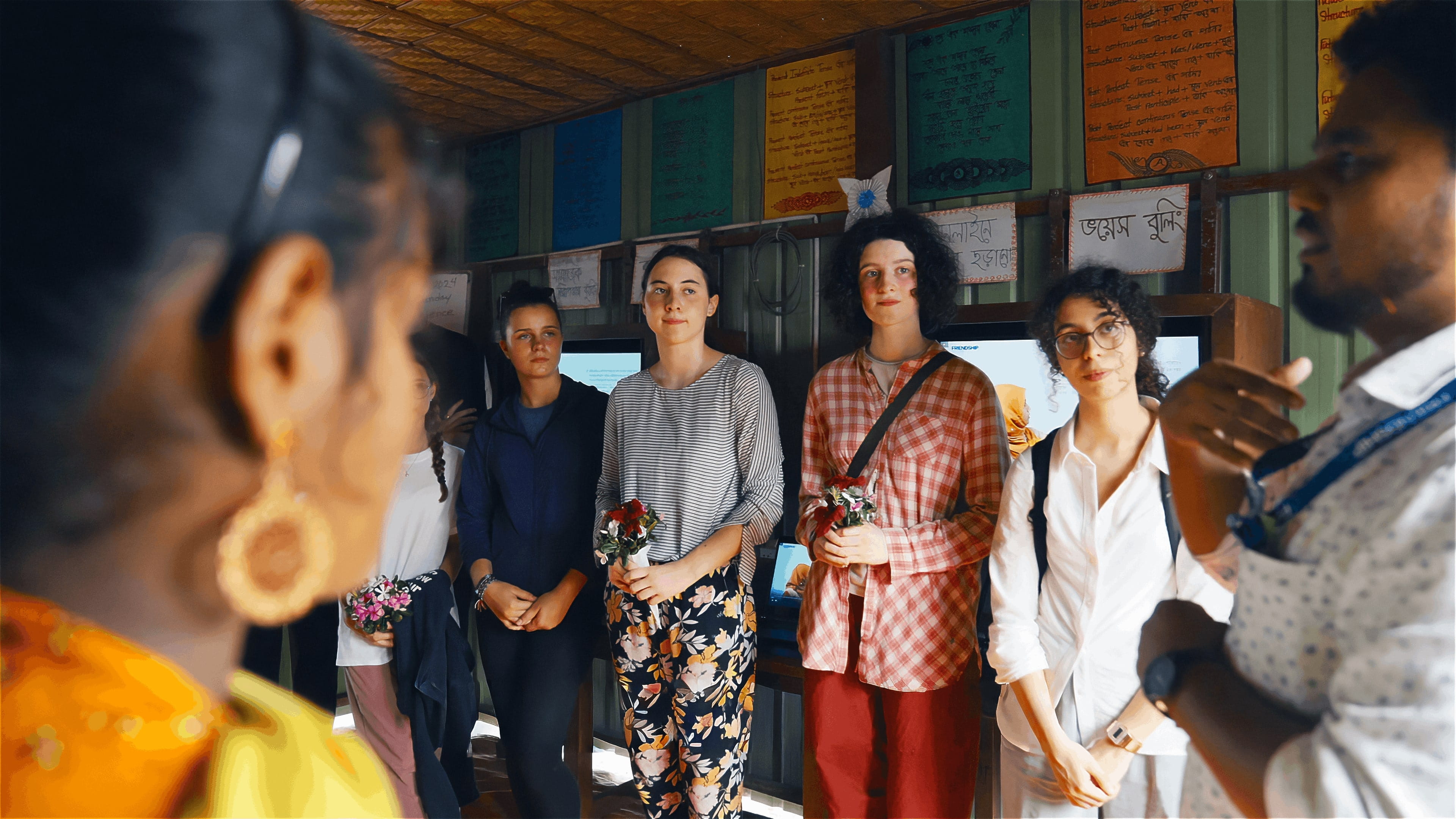
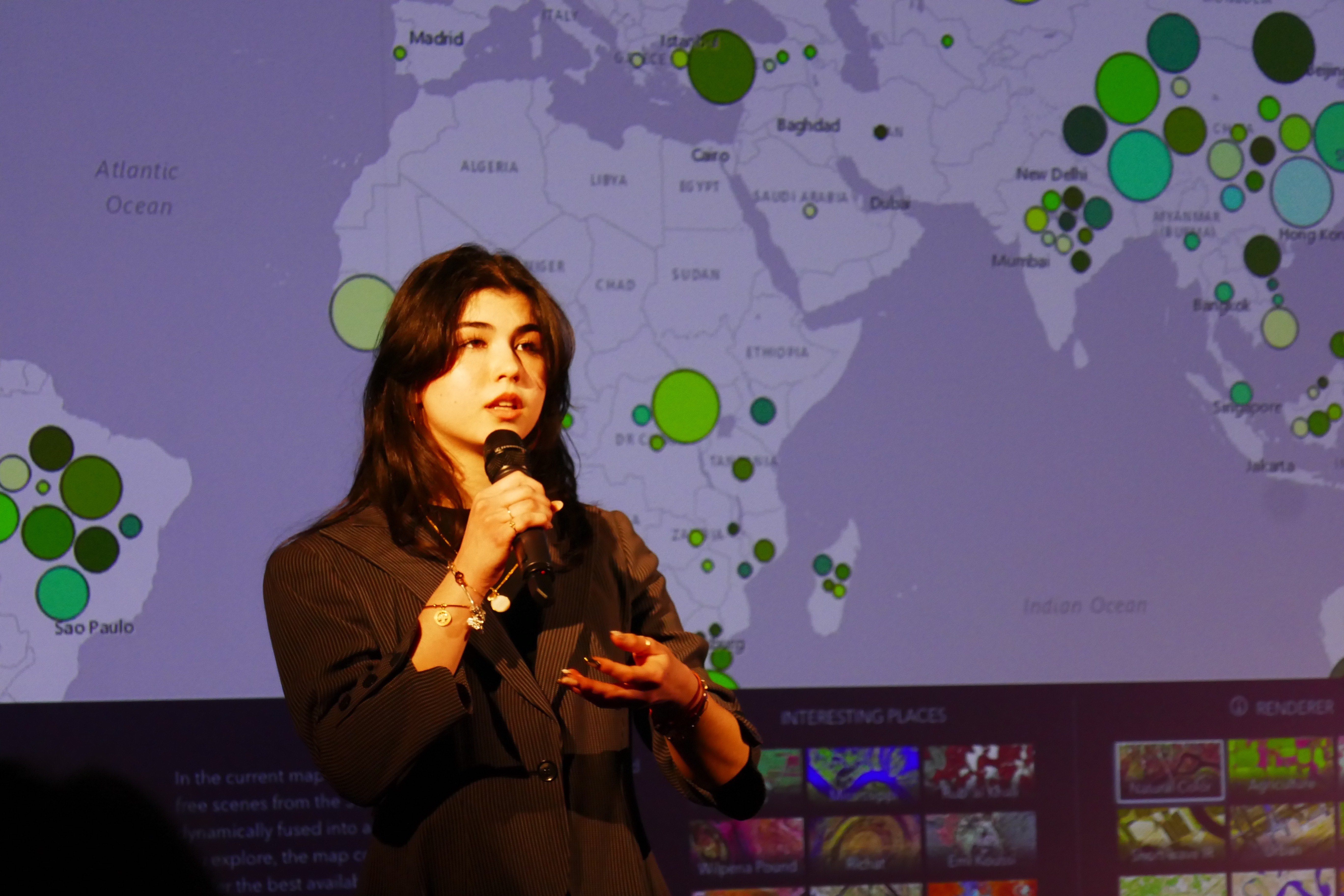
In this podcast, Suvarna, a final year student at Sacré-Coeur Lindthout, presents what we could call a silent climate crisis. We hear a lot about the Artic, how it is warming-up incredibly fast, four times the global average, due to polar amplification: the ice melts, reveals darker oceans, which absorb more sun, which causes more melting... a true vicious cycle. Something similar is happening high-up in the himalayas too.
This region, the Third Pole, holds the world third largest store of ice and snow, after the Artic and the Antartic: a reservoir holding fresh water for over 2 billion people, i.e. a thrid of humanity. A true source of life that feeds sacred rivers like the Gange, waters the land, supports farming and connects millions of people. It is deeply woven in the life and the traditions of people there.
The International Center for Integrated Mountain Developement (ICIMOD)'s major reports focus n this region and bring forward the different scenarii: if the global temparature increases by more thatn 1.5°, this region could loose up to a third of its glaciers by 2011. If global warning reached +2,0°, then half of these water reserves could disappear. The speed is impressive: it is loosing volume very rappidly now: it is loosing 1.6% of its volume every year.
Remoteness, less direct visibility for the global north, could be the reasons why it is not so much heard of. But the evidences are undeniable. Using satellite images, scientists can literally show the changes comparing images over decades. It is not so much the surface that has changed, but the volume, the thickness and the quality of the ice that shows a dramatic drop. The glaciers are thinning out. This is causes by more rains instead of snow, even at high altitude, and pollution, especially black carbon from burning fossil fuels, wood, other biomass, and industrial activity. It directly links human activity to the melting of these vital ice reserves.
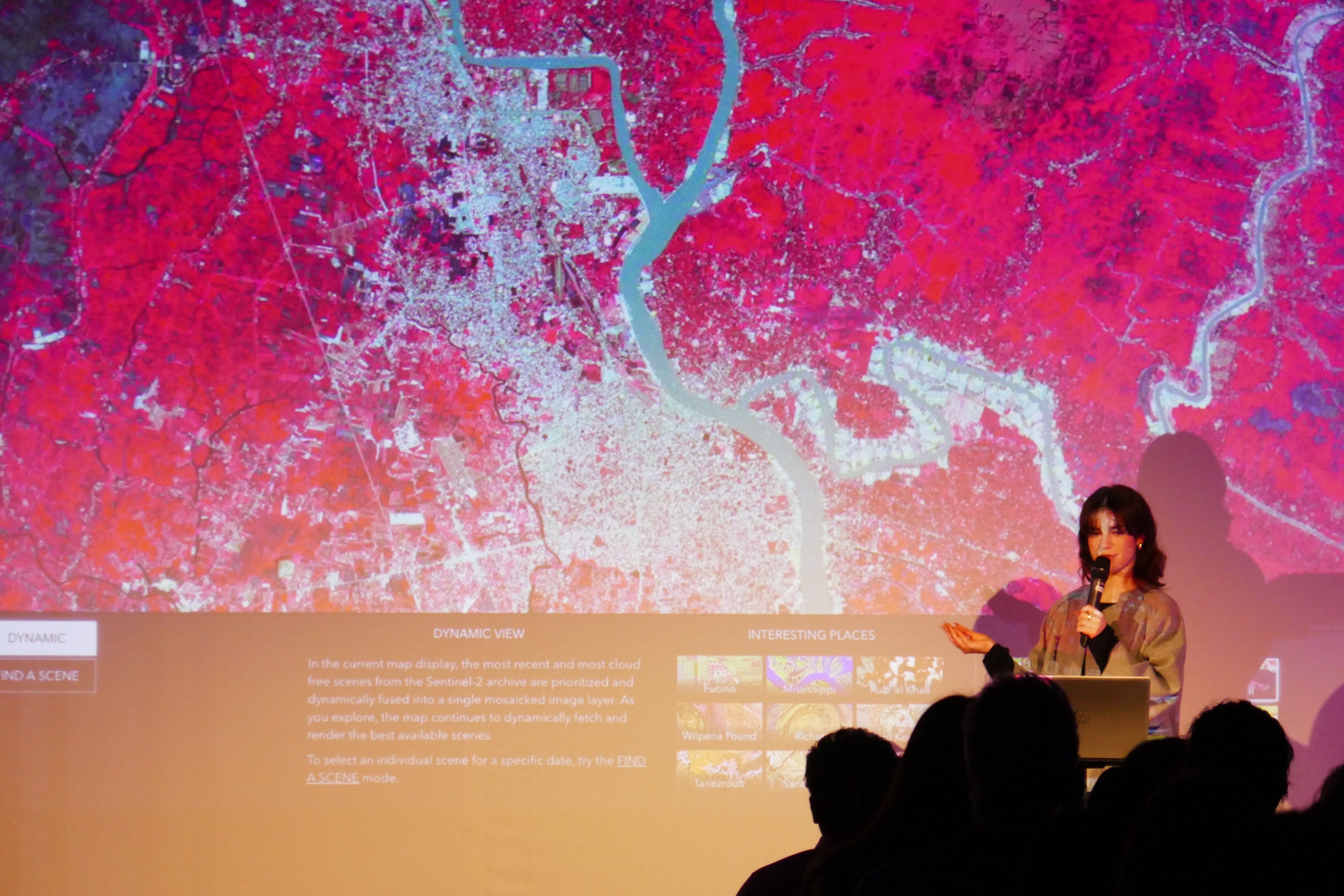
Many countries are directly impacted by this melting of the Himalayan glaciers: Afghanistan, Pakistan, Bhutan, Nepal, Bangladesh, Myanmar, China and India. The impacts are severe: more intense flash floods, landslides, glacial lake outburst floods, devastating vulnerable communities. 10 major Asian rivers start in this region including Ganges, Brahmapootra, Mekong, providing agricultural water for over 1 billion people, and drinking water for around 1.6 billion.
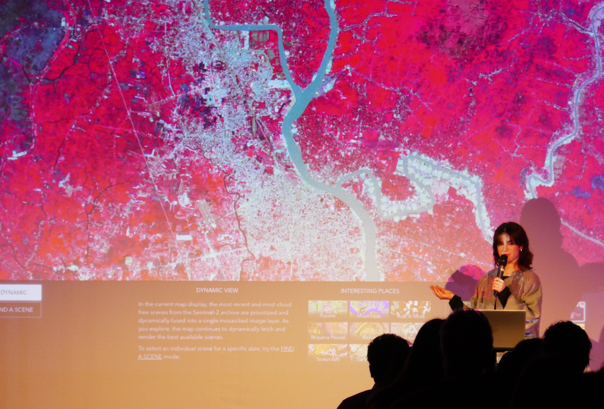
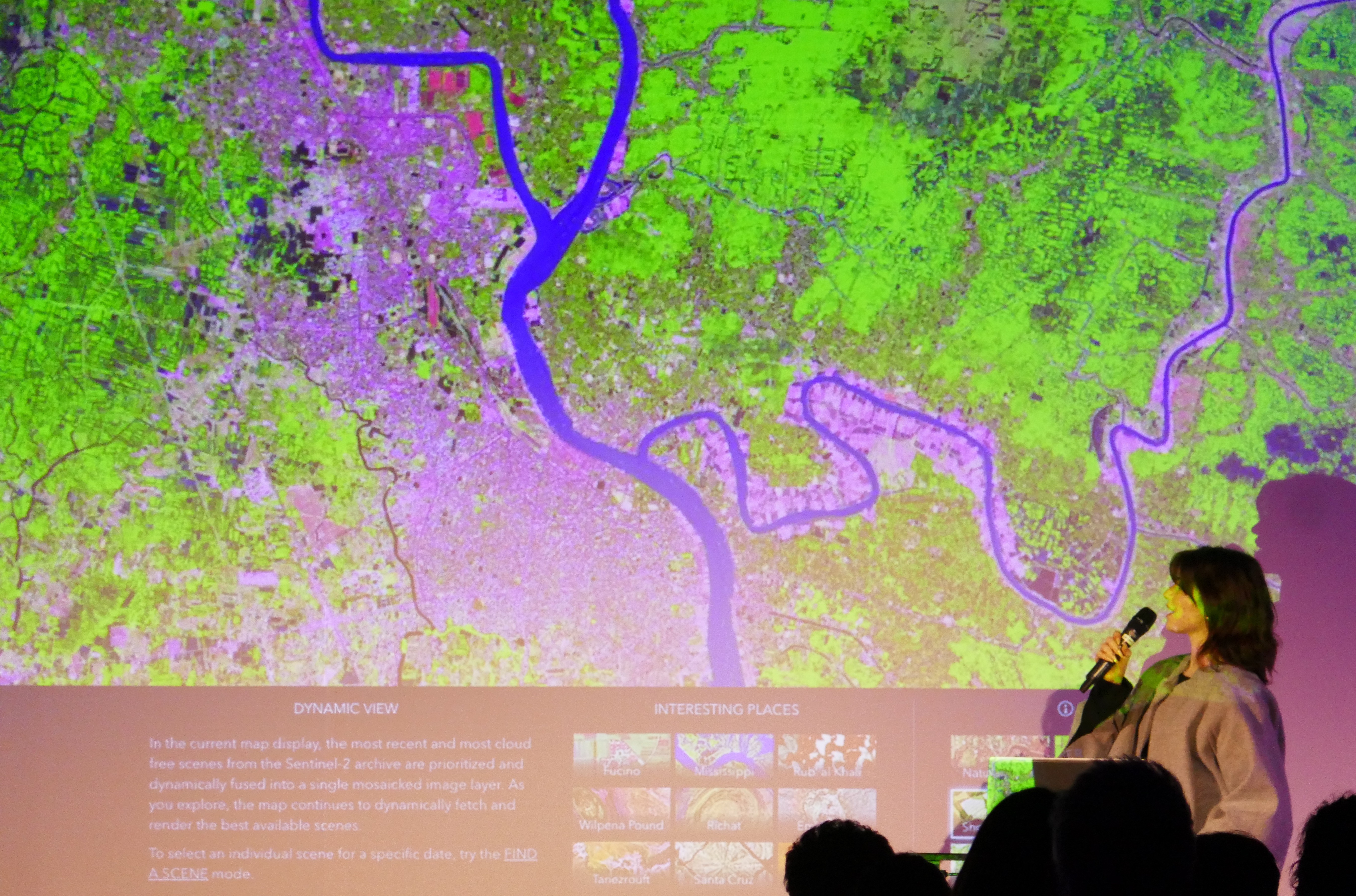
Satellites images from ESRI, show how floods have been more frequent and more intense over the years. Looking more specifically at the Kurigram district, in Northern Bangladesh, before and after the very bad flood of 2017. Comparing pictures form March 2017 before the monsoon when rivers are in their banks, and pictures from October 2017, after the floods, the difference is stricking: you see huge areas under water, rivers massively swollen, farmland innundated. It really illustrates the impact of the melting glaciers upstream.

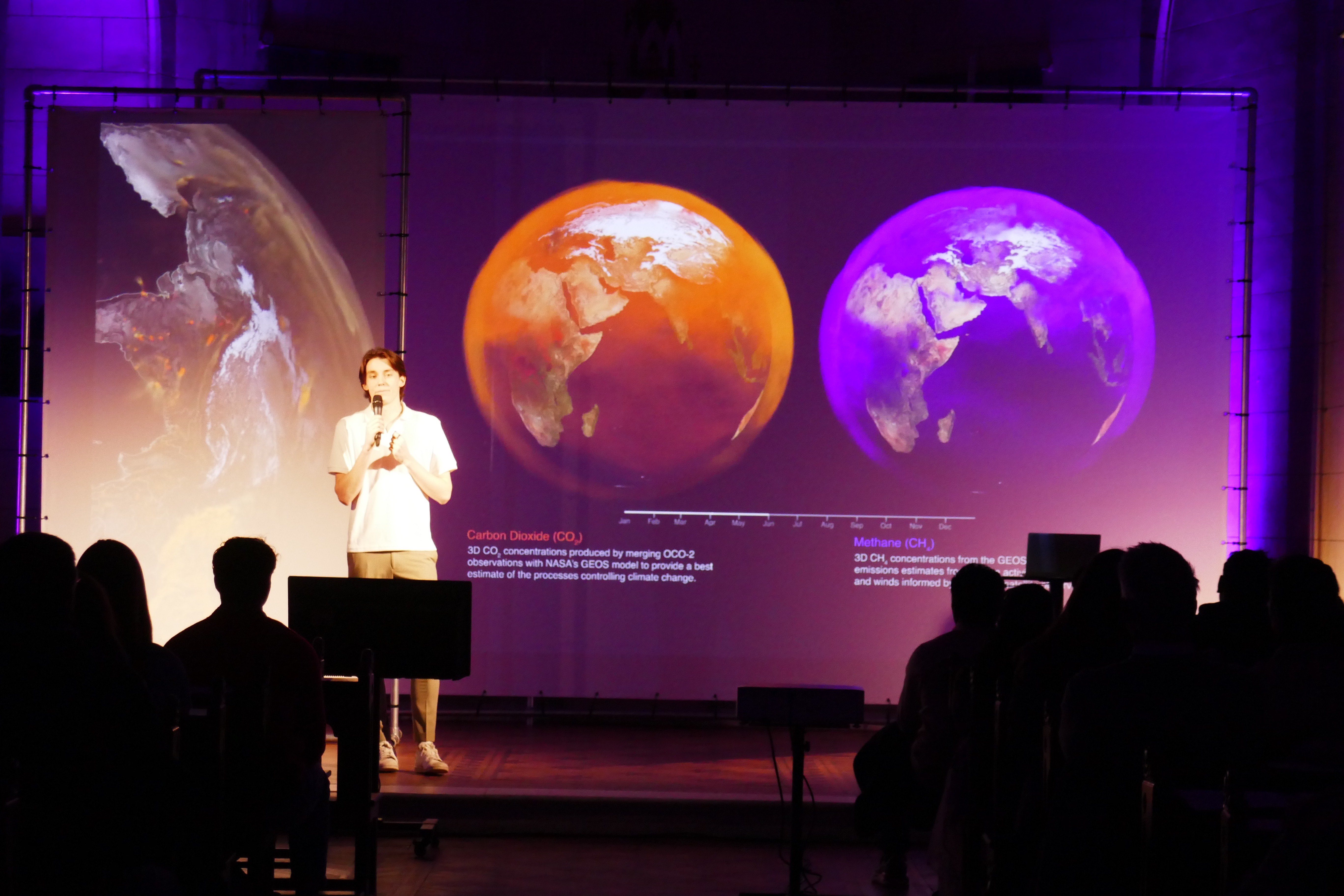

The Hindu Kush Himalayas are not just regionally important, they act like the planet's pulse. What happens there affects the global system. Melting glaciers contribute directly to see level rise which impacts coastal areas everywhere. Changes in river flows affects water patterns far beyond Asia. And then the human challenges due to water shortages, climate migration, and consequences of more intense disasters. These impacts do not stop at national boarders: it underlines how interconnected our climate system is.